Land & Food
What We Also Do At Cheftiques
Wild & Foraged Foods Integration: Guidance on safely identifying, harvesting, and incorporating wild edibles, heritage ingredients, and seasonal foraged resources into sustainable food systems.
Food Preservation & Storage Techniques: Expert strategies for traditional and modern preservation methods (canning, fermenting, drying, cold storage) to extend food shelf life and reduce waste.
Sustainable Land & Wildscape Stewardship: Recommendations for managing natural landscapes, habitats, and soil health to support biodiversity and long-term ecosystem resilience.
Resilient Food Systems Planning: Actionable plans for communities, homesteads, or businesses to build local, self-sustaining, and environmentally friendly food supplies.
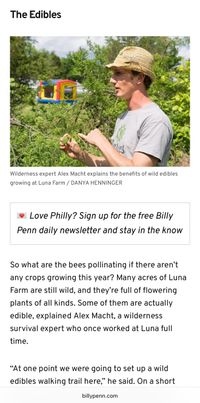
As a Wild Food Preservation & Sustainability Strategist, I bring a unique cross-section of wilderness culinary expertise, non-profit leadership, and regenerative agricultural development:
Non-Profit & Educational Leadership:
Extensive experience advising non-profits that operate integrated schools and sustainable farms. Serving on the board for Beads for Education, I work closely with international farm development and agricultural education.
Medicinal & Herbal Garden Design:
Tembea Academy in Kenya, I helped the design and implementation of a community medicinal herbal garden as well as a comprehensive guide on medicinal plant cultivation and application.
Wilderness Culinary & Survival Expertise:
Served as Head Chef at a wilderness survival camp, specializing in open-fire cooking, wild food harvesting, traditional preservation methods, and bushcraft culinary education.
Plant Education
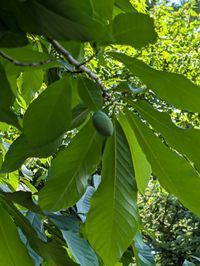
Pawpaws (Asimina triloba)
Native to eastern North America, pawpaws are the largest edible fruit indigenous to the continent. Native American tribes historically cultivated and consumed the fruit, and early European settlers, including members of the Lewis and Clark Expedition, relied on them for sustenance.
High in dietary fiber, potassium, vitamin C, magnesium, iron, and phosphorus. They are rich in complex carbohydrates and healthy fatty acids.
Pawpaws provide powerful antioxidant support, aid digestion through high fiber content, and support immune and muscle function due to their dense mineral profile.
Purslane (Portulaca oleracea)
Utilized for thousands of years across the Mediterranean, Middle East, Asia, and North Africa. It was prized in ancient Greek and traditional Chinese medicine as both a food source and a healing herb.
Contains exceptionally high levels of alpha-linolenic acid (an essential omega-3 fatty acid), along with vitamins A, C, and E, magnesium, calcium, and potassium.
Supports cardiovascular health, reduces systemic inflammation, promotes skin repair, and delivers cellular antioxidant protection with very low caloric content.
Young Dandelion Leaves (Taraxacum officinale)
Originating in Eurasia, dandelions have been used in traditional Persian, Chinese, and European herbal traditions for centuries as a tonic for liver and digestive ailments before spreading globally.
Rich in vitamins A, C, and K, as well as calcium, iron, potassium, and prebiotic fiber (inulin).
Acts as a natural diuretic, aids liver detoxification, stimulates digestive enzyme production, supports bone density through vitamin K, and helps balance gut flora.
Common Plantain (Plantago major)
Native to Eurasia, plantain was referred to as "Englishman's Foot" by Native Americans because it thrived in areas footprinted by early European settlers. It has a long legacy in folk medicine as a poultice and culinary greens.
Packed with vitamins A, C, and K, along with calcium, silica, and beneficial phytochemicals like aucubin and tannins.
Offers anti-inflammatory and antimicrobial properties, soothes respiratory and gastrointestinal mucosal linings, and aids in tissue healing when consumed or applied topically.
Comfrey (Symphytum officinale)
Native to Europe and Western Asia, comfrey has been cultivated since at least 400 BC. Historically nicknamed "knitbone," it was primarily grown to accelerate the healing of wounds, broken bones, and joint injuries.
Contains high concentrations of allantoin, rosmarinic acid, and mucilage, along with vitamins A, B-complex, and calcium.
Speeds up skin cell proliferation, reduces swelling, and soothes joint or muscle discomfort.
Note: Internal consumption should be limited or avoided due to natural pyrrolizidine alkaloids, which can pose liver toxicity risks; it is safest used in topical preparations or external poultices.
Contact Cheftiques Today
Whether you are seeking expert guidance on land management, looking to integrate medicinal and wild edible plants into your property, or sourcing sustainably harvested wild fruits, I am here to assist you.