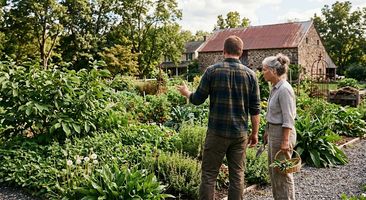
Land & Home Preservation By Cheftiques
Antique Home Restoration & Natural Care
Preserving historic craftsmanship using eco-friendly, non-toxic methods.
1. Cleaning & Maintenance with All-Natural Products
Historic woodwork, plaster, and vintage fixtures require gentle care. Avoid harsh chemicals or synthetic clear coats that strip away decades of natural patina and damage delicate historic surfaces.
Woodwork & Cabinetry:
Clean gently with a mixture of warm water, organic Castile soap, and a few drops of plant-based oils (like olive or jojoba oil) to lift grime while restoring moisture.
Vintage Hardware & Brass:
Restore patina naturally using a paste of baking soda, lemon juice, or vinegar instead of abrasive chemical polishes.
Mildew & Odor Control:
Air out spaces and use diluted white vinegar or tea tree oil to eliminate damp odors without leaving synthetic residues behind.
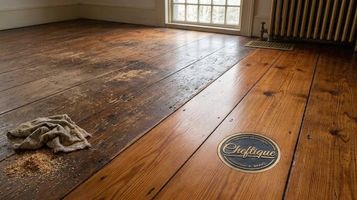
2. Staining & Refinishing Old Wood Floors
Restoring original antique hardwood or wide-plank pine floors requires a process that honors their history while protecting against modern wear.
Gentle Surface Preparation:
Sand lightly—only as much as necessary—to preserve the wood’s original character marks, nail holes, and age-earned grain patterns.
All-Natural Wood Stains:
Opt for eco-friendly, zero-VOC stains made from natural minerals, plant resins, or coffee/tea infusions to bring out rich, authentic earth tones without toxic off-gassing.
Penetrating Oil Finishes:
Finish with natural hardwax oils or raw linseed and tung oils. Unlike polyurethane, natural oils penetrate deep into the wood fibers, allowing the timber to breathe while providing a durable, water-resistant matte finish that is easy to spot-repair over time.
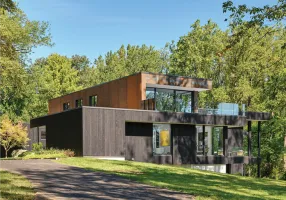
Meet Macht Architecture
Paul Macht founded Macht Architecture in 1990, to provide architectural services to clients seeking sustainable, energy-efficient, healthy homes in the MidAtlantic and New England. With a passionate focus that transcended industry norms, the firm from its start achieved value driven solutions that enhanced the quality of the domestic environment and did right by the planet. Kyle Macht, a nationally recognized building scientist and Certified Passive House Consultant (CPHC), joined Paul in 2015 to advance the firm’s expertise in building science, construction technology and construction management.
In 2024, the partnership expanded again when Michael Smith, Paul’s longtime friend and classmate at Princeton’s Graduate School of Architecture, opened the firm’s new office in California to expand the reach of the firm and add his own expertise from a career vested in sustainable design. In California the firm is incorporated as Macht Smith Macht Architecture, but we are a single company and the principals collaborate on all our projects on both coasts.
Wherever your ideas lead us, we believe that your home should be healthy, energy efficient, sensitive to the environment, responsive to the local climate, sparing in its use of water and other natural resources, low in embodied carbon, and sustainable through generations. Passive solar design and a tight, well-insulated envelope inform the design and construction detailing using sustainable, healthy and durable materials. High-performance mechanical systems for enhanced indoor air quality and energy efficiency are incorporated into our homes. These objectives meet the overarching goals of health and environmental sensitivity with a lower carbon footprint.
Our commitment with each new residence, renovation, or addition is to translate your dreams and needs into a home that creates an enhanced and sustainable relationship to the landscape and a place that contributes in measurable ways to your family’s health, comfort and wellbeing.
Contact Us for a Consultation today